Embrace the Power of Failure: Turning Setbacks into Stepping Stones
In today’s achievement-oriented society, we often view failure as something to be feared and avoided at all costs, but when we embrace failure, we recognize it as a natural part of life and a universal experience. The most successful individuals throughout history understand that failure is not the end but part of the journey toward greater accomplishments.
The path to success is rarely linear; it is filled with obstacles, challenges, and moments where we fall short of expectations, and you gain chances to learn and build a growth mindset throughout the process. What separates those who achieve their dreams from those who do not is not an absence of failure, but how they respond when they experience failure in their pursuits.
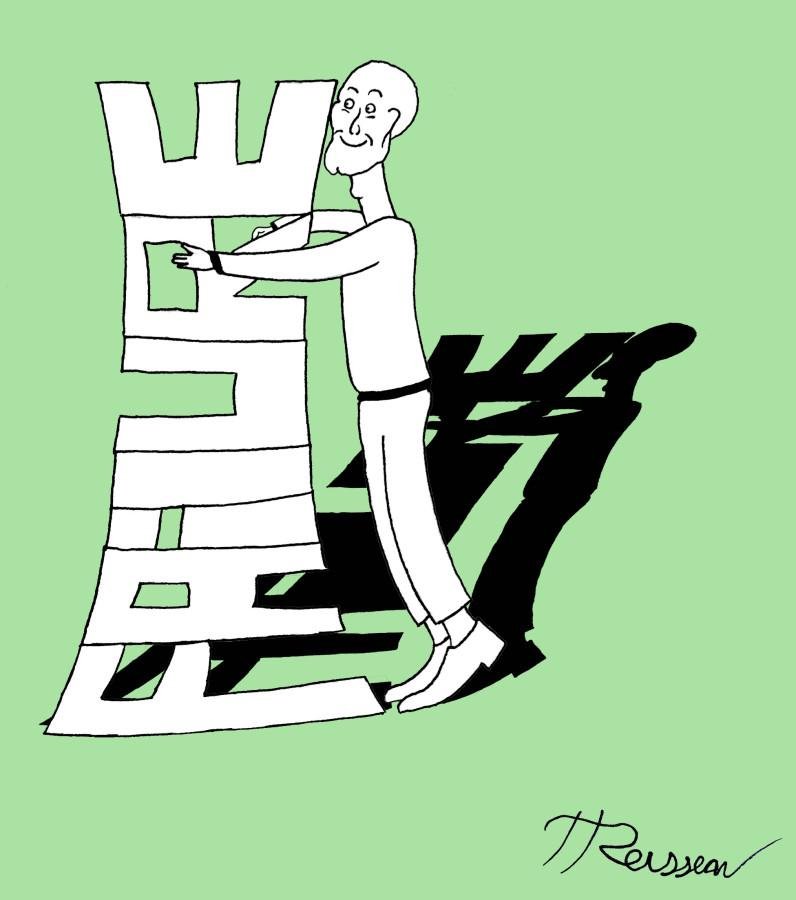
Turning setbacks into building blocks of success requires a fundamental shift in perspective on failure and resilience. Failure often brings lower confidence, anxiety, and depression when you see it as a hurdle rather than learning from it. When we reframe failure as an opportunity for growth rather than a reflection of worth or ability, we unlock potential for personal development.
Every failure can move you one step closer to success by revealing what does not work and by providing insights that success alone cannot teach. A large U.S. study found that a brief growth-mindset lesson improved grades among lower-achieving students and increased advanced course enrollment, which shows how reframing struggle can translate into better outcomes.
This guide explores the power of failure, how to embrace failure as a learning opportunity, and practical strategies to turn setbacks into catalysts for success.
Embrace Failure

Embracing failure means accepting that it is a natural part of any meaningful pursuit. When you embrace failure as part of your journey to success, you free yourself from the paralysis of perfectionism. The fear of failure often prevents people from taking growth risks, but understanding that failure is inevitable helps you move forward with courage, viewing it as a stepping stone toward achievement. Successful people recognize that failure does not define them; it provides feedback about what needs improvement.
Quick ways to practice this:
- Treat each attempt as data, not a verdict.
- Write one lesson learned after any mistake.
- Share one recent miss with a trusted peer and what you changed after it.
J. K. Rowling, before the Harry Potter series, faced numerous rejections. She used each one to refine her work. Embracing failure as a learning opportunity lets you gain insights that success cannot provide. When you view failure through this lens, it becomes a tool rather than an obstacle.
Turning Setbacks into Stepping Stones

Turning setbacks into milestones requires reflection and strategic action. After a setback, analyze what went wrong without harsh self-judgment so you can extract lessons that guide your next attempt.
Use this mini post-mortem:
- What actually happened versus what I expected
- One root cause I can influence
- One behavior or system I will change next time
- One small test I will run within seven days
Steve Jobs was fired from Apple, then returned to lead it to historic results. He did not let the setback define him; he used it to make progress toward bigger achievements. Your ability to bounce back shows resilience and shapes how quickly you move toward your goals.
Stepping Stone to Success
Every failure can bring you closer to your goal when you extract its lesson. Viewing each stumble as a milestone means recognizing that failures are not the opposite of success but steps toward it. This requires a growth mindset, the belief that abilities can be developed through effort and strategy. The growth-mindset finding above demonstrates that learning from challenge can produce measurable gains in performance. Nature
Make it practical:
- Define success as learning plus outcome.
- Track attempts, lessons, and next actions in a simple log.
- Celebrate applied lessons, not just wins.
Setback
A setback is a setup for a comeback when you use the right mindset. It is normal to feel disappointment, but those emotions do not decide your next step. Reframe the setback as a redirect or a chance to strengthen foundations before the next attempt.
Reset checklist:
- Name the feeling
- Name one controllable action
- Schedule a time-boxed restart
Oprah Winfrey was once fired from a reporter role and used that moment as fuel for growth. A setback is not permanent unless you allow it to be.
Turn Setbacks
To turn setbacks into stepping stones, first accept them without dwelling in negative emotions. Process the feeling, then shift to solutions. The moment of failure can become the foundation for your greatest accomplishments.
Three questions to convert a miss into momentum:
- What did this reveal about my assumptions
- What constraint did I discover that I can design around
- What is the smallest next move that proves a better approach
Michael Jordan noted the thousands of missed shots and losses that built his success. Use that mindset to find the lesson and take the next shot.
Failure Helps
Failure helps build resilience, the capacity to recover from difficulty. It also prevents complacency and pushes innovation. Thomas Edison reportedly tested thousands of approaches before a practical light bulb, reframing each attempt as information.
Where failure helps most:
- Clarifying priorities and values
- Stress-testing systems before scale
- Building confidence that you can adapt
A recent global entrepreneurship survey shows how powerful fear can be: in 2019, 44 percent of adults said they would not start a business for fear it might fail; by 2024 that rose to 49 percent. Naming and working through fear keeps you in motion while many hold back. GEM Global Entrepreneurship Monitor
Stepping Stone
A milestone lifts you to higher ground. Failures can function the same way when you use them as structured steps toward your goals.
Turn a failure into a milestone by:
- Capturing the lesson in one sentence
- Converting it into a checklist item or SOP update
- Teaching the lesson to one other person
Walt Disney faced bankruptcy and rejection before building his entertainment empire. Each failure became a step toward the vision.
Turn Setbacks
Learning to turn setbacks into opportunities takes practice. Surround yourself with a supportive community that keeps perspective and momentum. Use a simple review rhythm so you act on what you learned.
Weekly review prompts:
- One risk I took
- One thing I learned
- One system I improved
- One experiment I will run next week
Failure Helps
Failure also develops character, humility, and empathy. It clarifies values and often redirects you to a path that fits better. By embracing failure as part of growth, you gain the freedom to experiment and evolve without the weight of perfectionism.
Keep this in view:
- Failure is universal
- Response beats outcome
- Progress compounds
A New Perspective
Change how you see missteps. Treat them as necessary components of a meaningful journey. That shift lets you approach a challenge with curiosity. Einstein’s scientific progress included wrong turns and discarded models. Those were not endpoints; they were inputs.
Mindset pivot statements:
- This is information, not identity
- I am practicing the skill of recovery
- One small win will restart momentum
Strategic Advancement
Anticipate problems without trying to eliminate all risk. The goal is not to avoid every failed attempt but to avoid repeating the same mistake.
Simple prevention moves:
- Pre-mortem before new projects
- Checklists for repeatable tasks
- Peer review for high-impact decisions
Moving Forward
Progress after a miss demands practical steps and emotional strength. Connect with people who value persistence. Acknowledge, learn, and move. Richard Branson advises learning quickly and beginning again.
Action trio:
- Acknowledge what happened
- Extract one lesson
- Schedule one test within 72 hours
Conclusion
Failure is part of life, and the journey to success is rarely a straight line. By reframing your relationship with setbacks and using each experience as a building block, you move closer to your goals. It is not the absence of failure but your response to it that drives your greatest wins. Next time you face a setback, treat it as a growth trigger and a stepping stone to where you are meant to be.