What Does Personal Growth Actually Feel Like (And Why It’s Not Always Comfortable)
Everyone wants to grow.
You hear it everywhere:
“Level up.”
“Become your best self.”
“Step into your power.”
But here’s the part no one really talks about:
Personal growth doesn’t always feel good while it’s happening.
In fact, sometimes it feels like:
• Doubt
• Discomfort
• Grief
• Confusion
• Disruption
• And even loss

So if you’re doing the work, but you’re not feeling euphoric or “high vibe” every day, this article is for you.
Because growth isn’t just about changing your life.
It’s about changing yourself.
And that can get messy.
Let’s break down what personal growth feels like, why discomfort is part of the process, and how coaching helps you move through it with clarity, power, and compassion.
The Myth of the “Feel-Good” Transformation
Pop culture sells us a polished version of growth:
• A big “aha” moment
• A vision board
• A before-and-after post
• A glowing testimonial
But real growth is rarely clean.
Instead, it looks like:
• Sitting in uncertainty
• Questioning everything you thought you wanted
• Letting go of identities, relationships, or roles
• Making choices that don’t make sense to others—but feel right to you
It’s not glamorous. But it’s real. And it leads to freedom.
Why Growth Feels Uncomfortable (Even When It’s Working)
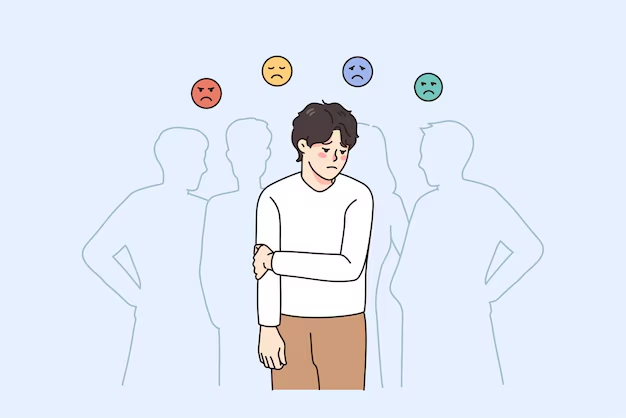
Your nervous system is wired for familiarity, not fulfillment.
Even if your current reality is stressful, unaligned, or unfulfilling, it’s known.
Your brain sees “known = safe.”
So when you start to shift even in the right direction, it can feel like danger.
This is why personal growth often triggers:
• Fear
• Resistance
• Imposter syndrome
• Guilt for wanting more
• Anxiety about being “too much” or “too different.”
But here’s the key: discomfort doesn’t mean you’re doing it wrong.
It usually means you’re doing it exactly right.
The Emotional Stages of Growth (That No One Talks About)
Just like grief, growth has emotional stages. You won’t go through them linearly—but you’ll likely feel them all at some point.
Let’s walk through them.
1. Discontent

It starts as a quiet nudge.
Something feels off.
You can’t quite explain it—but your life doesn’t feel like yours anymore.
This phase often brings:
• Restlessness
• Irritability
• A sense of “something’s missing.”
• Guilt for feeling ungrateful
2. Awareness
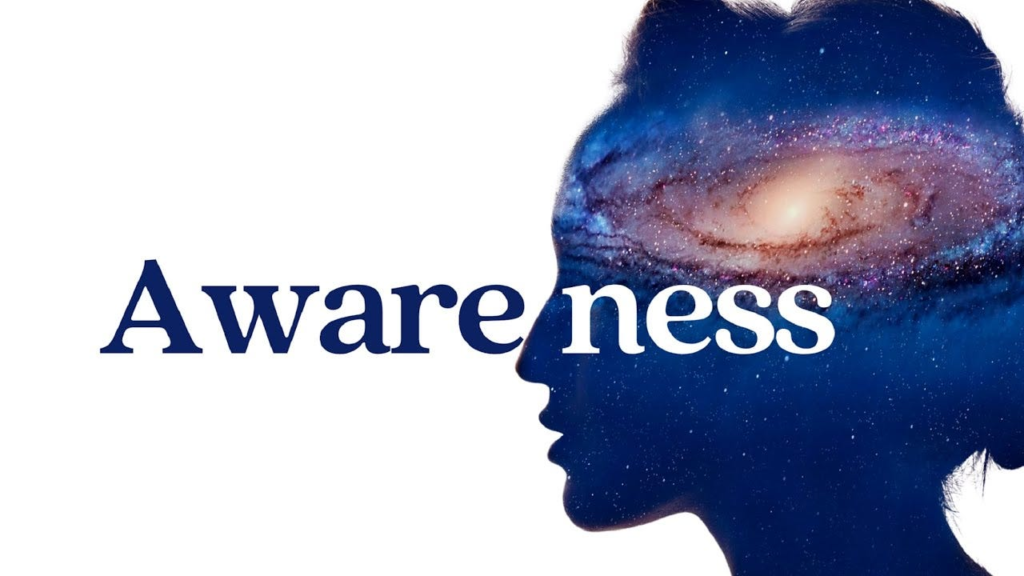
Suddenly, you can’t unsee it:
• The job that drains you
• The relationships that don’t nourish you
• The patterns that keep repeating
This brings clarity—but also grief.
You start to realize what’s no longer working—and what you’ve been tolerating.
3. Resistance

This is when the fear kicks in.
You might think:
• “Maybe I’m being dramatic.”
• “Other people have it worse.”
• “Who am I to want more?”
• “What if I mess everything up?”
You may feel pulled between old and new. That’s normal. Growth is not a clean break—it’s a transition.
4. Disruption

Things start to shift:
• You say no to something you always said yes to
• You express a boundary
• You make a choice that shocks even you
This phase feels both powerful and terrifying.
You may worry:
• “Will I lose people?”
• “What if I’m wrong?”
• “What if I can’t go back?”
That’s okay. You’re not falling apart. You’re evolving.
5. Integration

You begin to stabilize inside the new identity.
You feel:
• More grounded
• More self-trusting
• More honest in your relationships
• More at peace, even if everything isn’t “figured out.”
This is when things start to click—internally and externally.
But it only comes after you’ve walked through the fire.
How Coaching Supports You Through Every Stage

Growth is disorienting. That’s why going through it alone can lead to burnout, confusion, or giving up.
Here’s how coaching makes all the difference:
1. Coaching Normalizes the Discomfort
A good coach won’t say, “Just be positive.”
They’ll say, “Of course, this is hard. And here’s why it makes sense.”
Validation is oxygen when you’re in the fog.
2. Coaching Helps You Stay Rooted in Your “Why”
When your fear screams, “Turn back!”
Your coach helps you reconnect to:
• Your values
• Your vision
• Your truth
This keeps you from making decisions out of panic—and helps you keep moving from purpose.
3. Coaching Helps You Build Emotional Regulation Tools
Growth doesn’t just challenge your mind; it challenges your nervous system.
Coaching helps you:
• Recognize triggers
• Soothe anxiety and overthinking
• Rewire old responses
• Build safety in the new
So you can move forward without shutting down.
4. Coaching Breaks the Process into Manageable Steps
Big change feels impossible until it’s broken into:
• Small experiments
• Weekly actions
• Simple reflections
That’s what coaching does—turns overwhelming transformation into doable growth.
5. Coaching Celebrates the Invisible Wins
You might not notice the moment you change.
But your coach will.
They’ll reflect back when you:
• Set a boundary without apology
• Choose rest over performance
• Say “I don’t know” without shame
• Pause before spiraling
These wins may feel small—but they shift everything.
What Personal Growth Feels Like (According to Real Clients)

“It didn’t feel like I was becoming someone new. It felt like I was finally becoming me.”
– Nicole, coaching client
“I cried a lot in the beginning. Not because I was broken—because I was honest for the first time.”
– Rafi, coaching client
“Growth didn’t feel like motivation. It felt like grief and then relief. Like I let go of a version of myself I’d outgrown.”
– Taylor, coaching client
Signs That You’re Growing (Even If It Doesn’t Feel Like It Yet)
If you’ve been doing the work and wondering, “Why does this feel harder sometimes?”—look for these signs:
• You question long-held beliefs
• You outgrow relationships or roles
• You feel less certain but more honest
• You experience resistance beforea breakthrough
• You slow down instead of speeding up
• You make aligned choices even when they’re scary
This is growth. Not the hashtag version, the human version.
Final Thoughts: Growth Is Messy, Sacred, and So Worth It
You don’t have to feel confident all the time.
You don’t have to be fearless.
You don’t have to love every step of the journey.
You just have to be willing to keep going.
To let the discomfort be data.
To trust that the messy middle is where your real life begins.
Because growth isn’t about becoming someone else.
It’s about remembering who you are—and finally living like it.
Ready to Grow—with Support, Not Pressure?
Let’s talk.
I offer free discovery calls to explore where you are, what’s been shifting, and how coaching can support your growth without forcing the pace.